Open Space Referendum
Hatfield Township Open Space Referendum
Frequently Asked Questions (FAQs)
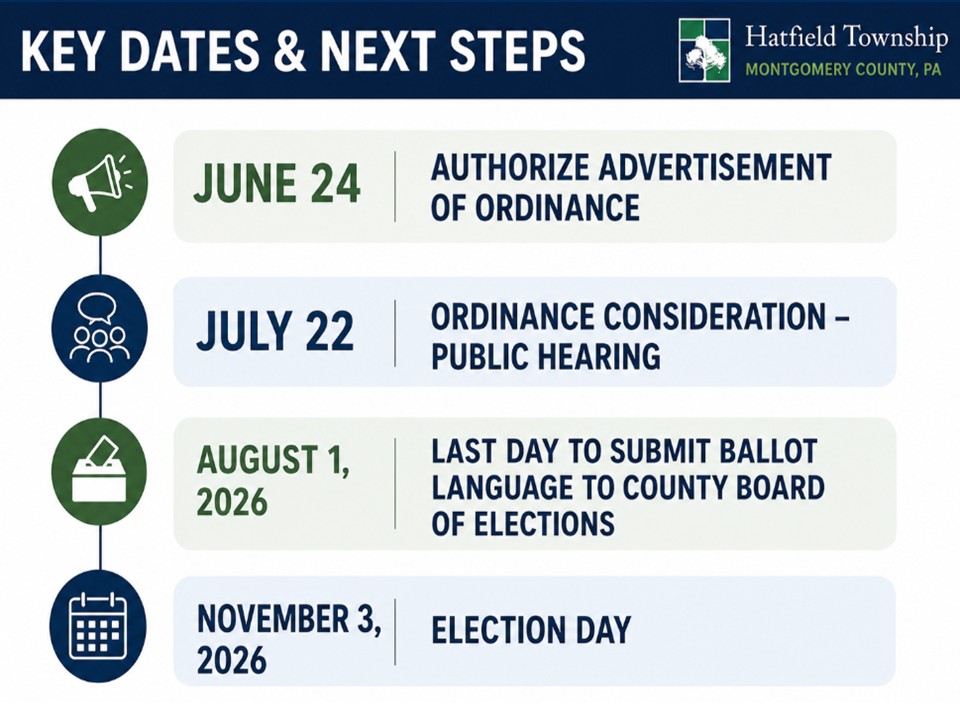
The Hatfield Township Board of Commissioners has approved an ordinance to place an open space referendum on the November 2026 general election ballot. The referendum asks voters to vote yes or no to authorize a dedicated open space tax.
What is the question that will appear on the ballot?
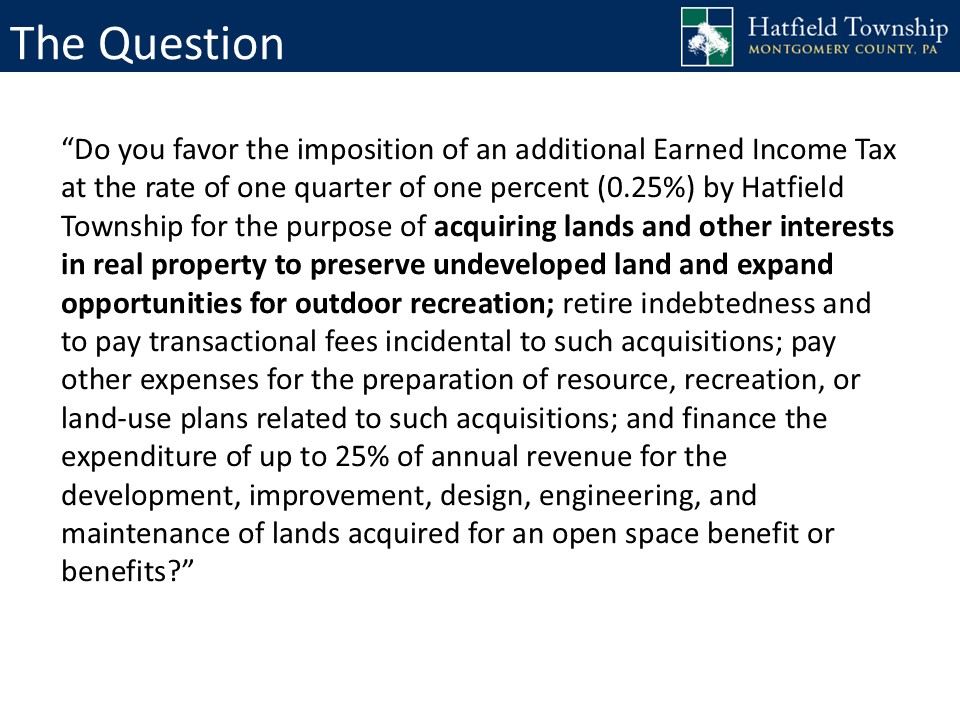
“Do you favor the imposition of an additional Earned Income Tax at the rate of twenty-five one hundredths of one percent (0.25%) to be used by the Township of Hatfield for the purposes of preserving undeveloped land and expanding opportunities for outdoor recreation; and to retire indebtedness incurred in purchasing interests in or acquisition of real property for the expenditure of funds for any purpose relating to the acquisition, planning for acquisition, preservation, improvement, and maintenance of open space or for an open space benefit?”
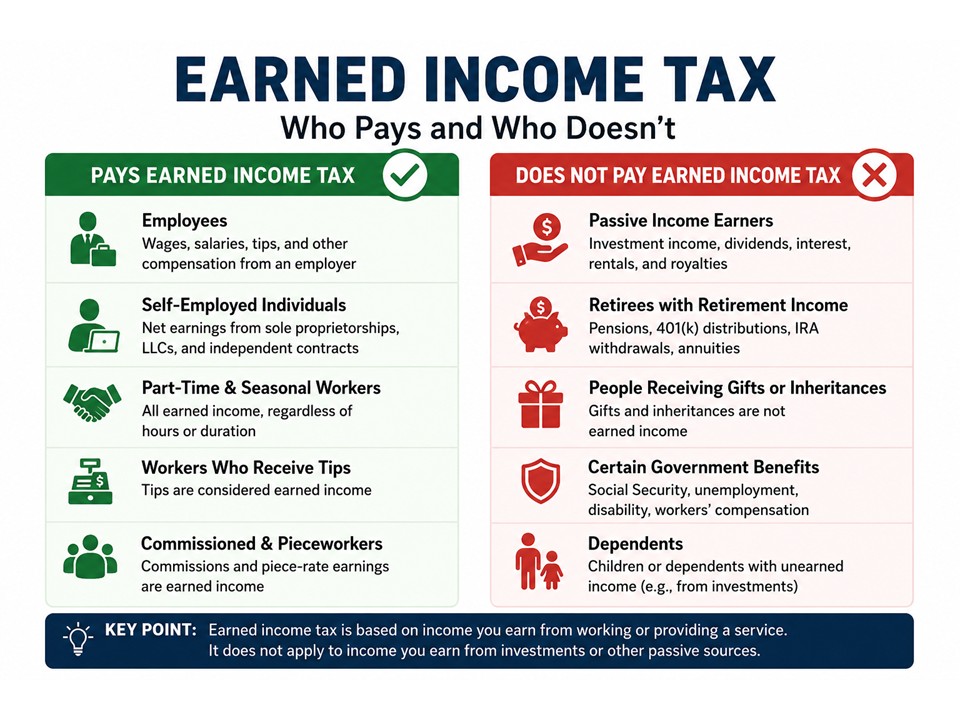
What is the impact on taxes for residents on fixed incomes?
The Township’s Earned Income Tax (EIT) does not affect residents on fixed incomes. It applies exclusively to earned income, including wages and net profits, and it excludes pensions, Social Security, and other fixed income sources.
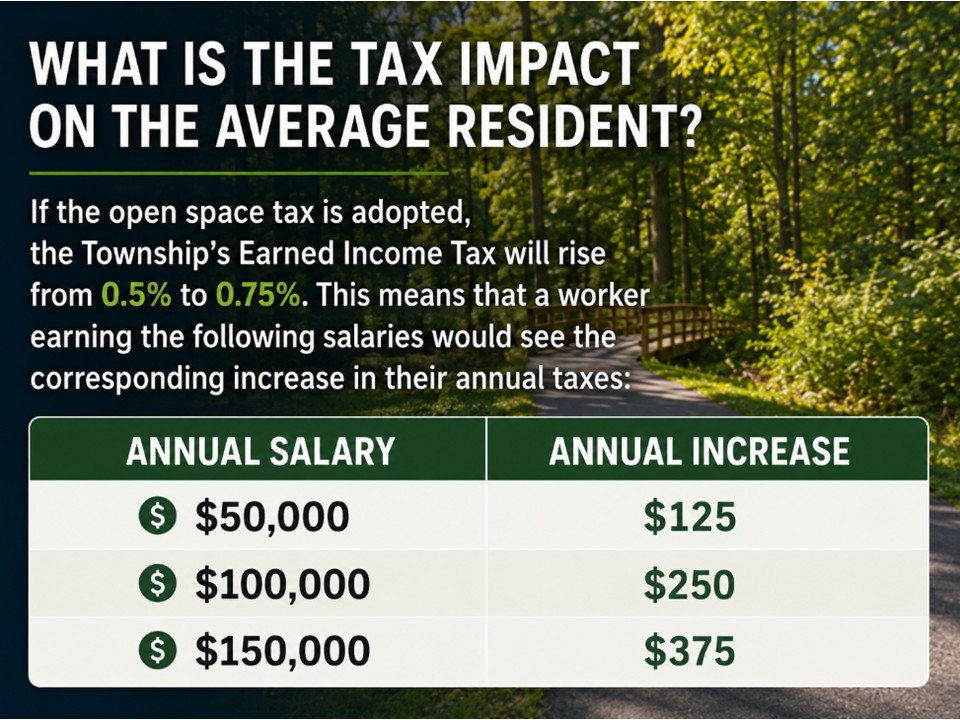
What is the tax impact on the average resident?
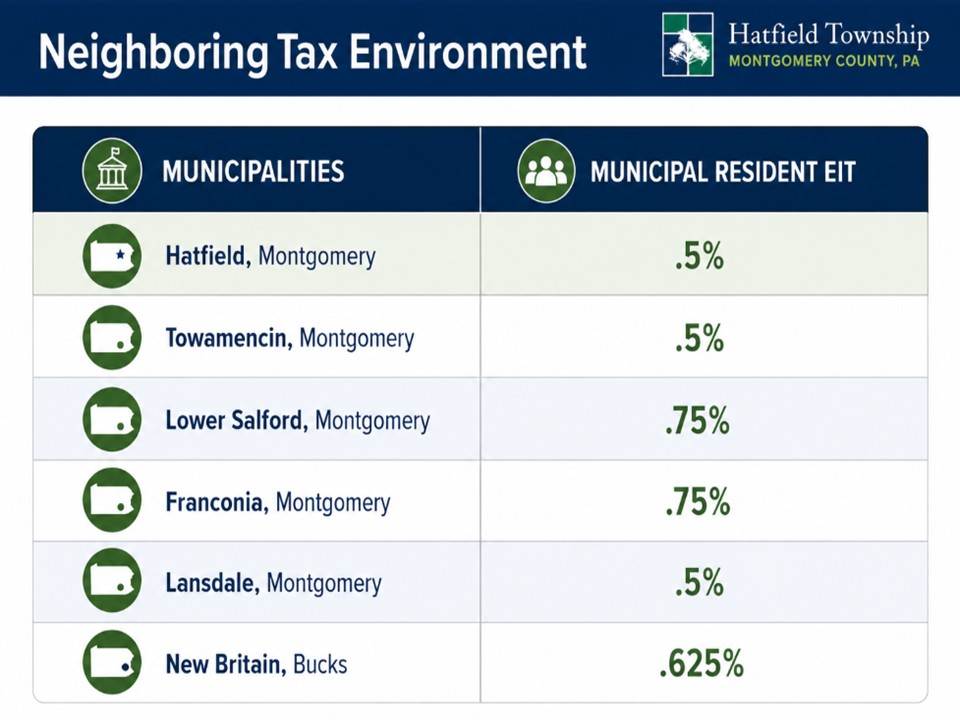
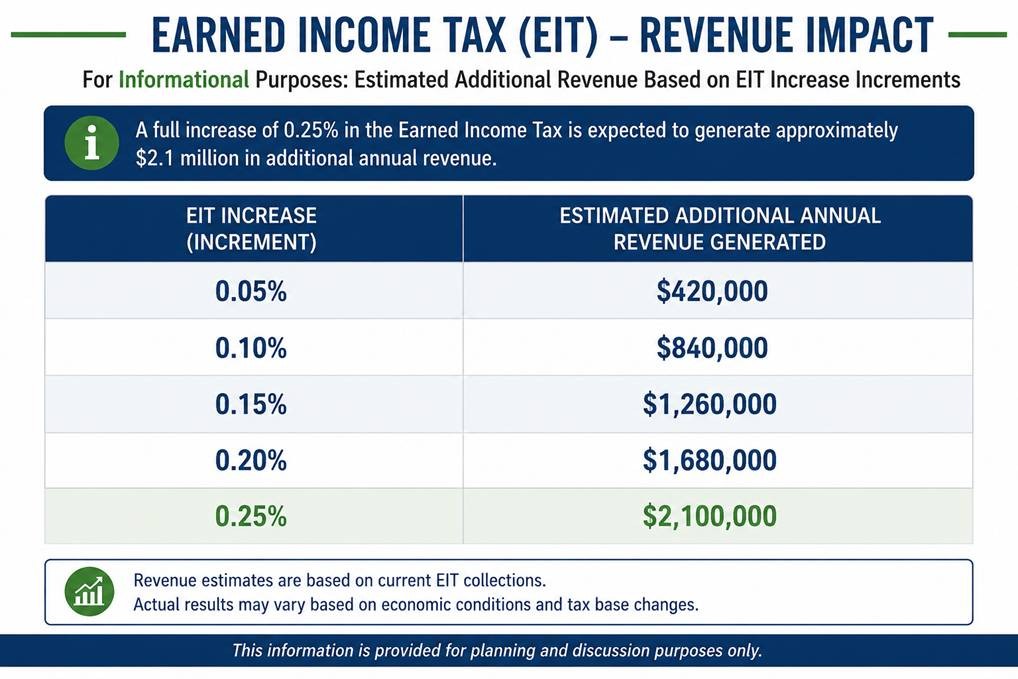
If the open space tax is adopted, the Township’s Earned Income Tax could rise from 0.5% to 0.75%. This means that a worker earning the following salaries would see the corresponding increase in their annual taxes:
| Annual Salary | Annual Increase |
| $50,000 | $125 |
| $100,000 | $250 |
| $150,000 | $375 |
Will these funds be used alone, or can they be combined with other funding sources?
A Township open space fund allows tax revenue to be leveraged with county, state, federal, and private grants to benefit residents through land preservation. Funds can be used alone or combined with grants to acquire or develop open space. Many programs, such as Montgomery County’s Montco Forever Green and PA DCNR’s Community Conservation Partnership Program, require matching funds, where the grant(s) cover part of the cost and the municipality provide the rest.
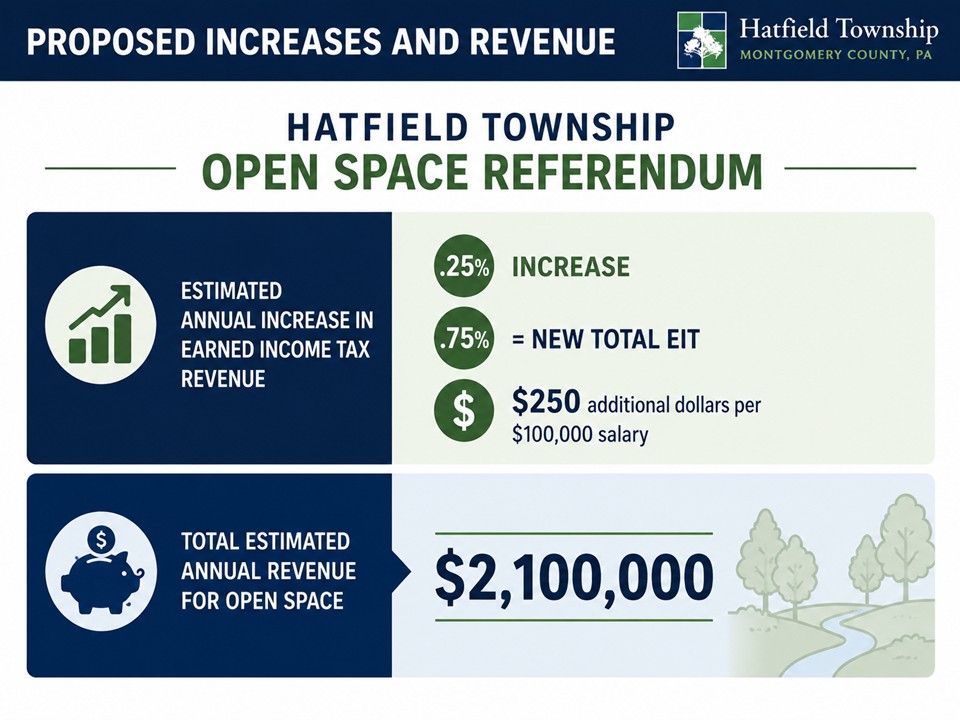
How much funding will the Hatfield Township Open Space Tax raise?
We estimate that the Earned Income Tax rate increase will generate roughly $2,000,000 per year.
What will the funding be used for?
Pennsylvania Act 153 (1996), which governs such open space funds, requires that the funds may not be used for any purpose other than the preservation of open space. Further, the funds will be accounted for in a separate, auditable “Open Space” account in the Township’s financial records. The funds can ONLY be used for transactions related to open space. These are:
- Fee simple purchase: The Township could purchase land or interests in real property from landowners in the Township to protect land and establish open space.
- Agricultural easements: The Township may purchase agricultural conservation easements or participate in State or County programs that do so. These easements let the landowner keep their property and use it for farming and other agricultural purposes.
- Conservation easements or development rights: A landowner could sell a conservation easement or development rights of a property to the Township. Conservation easements allow landowners to retain ownership while permanently protecting the land’s natural features from development.
- Additional related expenses: Open space tax revenue may be used for costs and fees incidental to the acquisition of open space property and interests, such as appraisals, legal fees, title searches, survey costs, and closing fees. Up to 25% of annual tax revenue may be used to develop, engineer, design, improve, and maintain Township open space.
Will the Township seize private property with this money?
No. All open space land acquisitions will be from willing sellers. The Township cannot use eminent domain to acquire properties for open space under this program. In fact, state law precludes a municipality’s ability to involuntarily condemn land for open space purposes.
How will projects be selected?
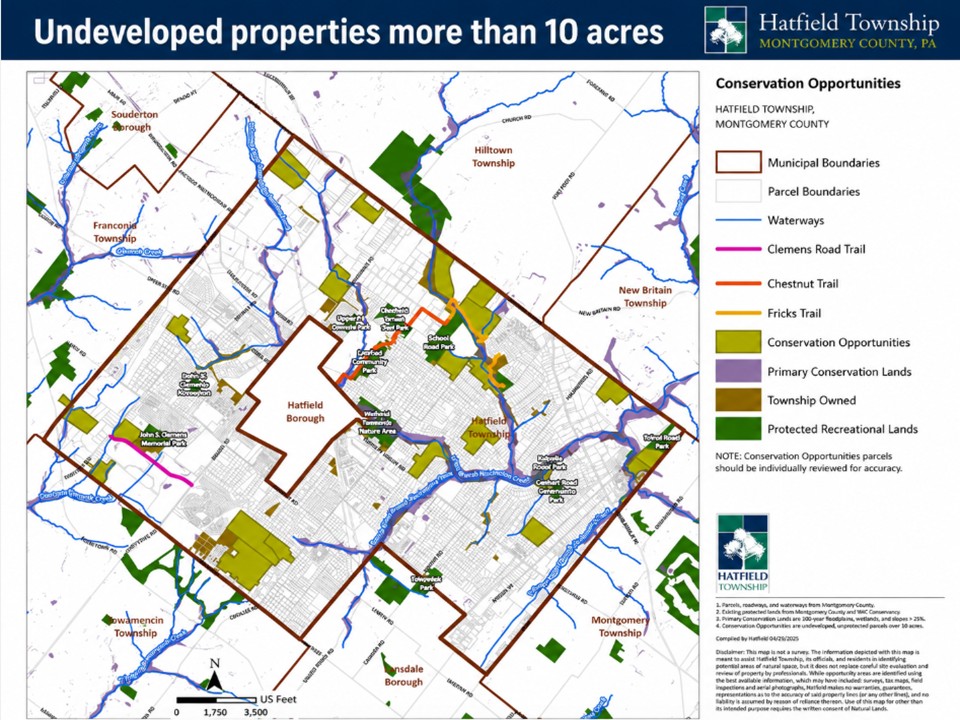
Project selection will be guided by the Township’s Open Space Plan, adopted by both the Board of Commissioners and the Montgomery County Planning Commission. Priority will be given to lands that protect remaining rural character, and natural features, including the West Branch Neshaminy, Unionville, and Lansdale Creeks, and that create and enhance recreation opportunities for residents. The Township will establish an Open Space Committee to evaluate properties for conservation and make recommendations to the Board of Commissioners for their consideration. The public is welcome to attend Open Space Committee meetings.
Do taxpayers really vote to raise taxes for open space, and why is it worth the cost?
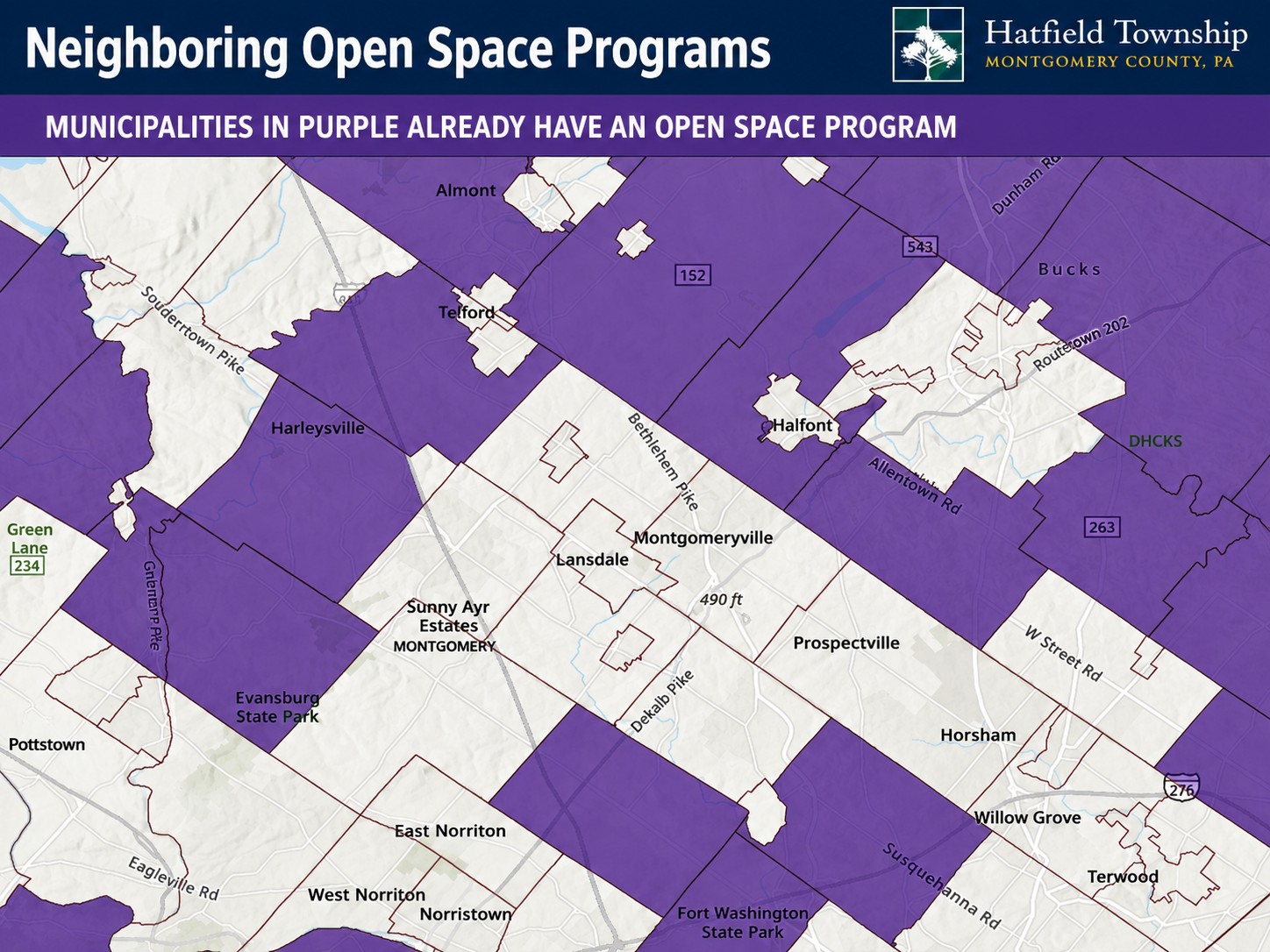
Yes. Voters across Montgomery, Bucks, and Chester Counties have approved referendums to fund open space preservation, reflecting broad bipartisan support. Nearby townships with dedicated open space preservation funding include Franconia, Lower Salford, Towamencin, Skippack, Hilltown and New Britain. Studies by Chester and Montgomery Counties reveal a small open space tax prevents other significant costs; development often costs communities more than preservation. Population growth requires expensive services like schools, police, EMS services, and infrastructure. By contrast, open space costs far less to maintain and can even save taxpayers money.
What are the next steps in the process?
If Township residents approve the referenda and commit to conservation, there are immediate next steps that need to be taken to establish an Open Space Committee, priorities and criteria. Appointed committee members should receive training in the legal framework for conservation, acquisition processes and funder requirements. The priorities and criteria will be used by committee members to evaluate and rank potential conservation properties. The Open Space Committee makes recommendations to the Commissioners based on the criteria.
Is the Township allowed to pay more than fair market value for properties?
No. When governments purchase a property, they create a comparable sale, which is used to appraise similar properties. Developers often purchase larger, comparable parcels and pass the cost of the land to homebuyers. It is important that governments and land trusts don’t pay more than fair market value because of the potential impact on the housing market and home prices.
Paying appraised value helps local governments avoid the perception of corruption. In most cases, taxpayer dollars are being used to purchase the property. These funds are from both local governments and grants. It is important that fair policies are established and maintained so that taxpayer dollars are not being used to pay a particular landowner more than their property is worth.
What if there aren’t any landowners interested in conserving their property?
The Township can hold an annual event for landowners that may be interested in conservation. Conservation is an important decision for families, and they may need time to consider and plan before they are ready to approach the Township. In the meantime, the Township can use 25% of the annual revenue to develop, engineer, design, improve, and maintain Township open space.
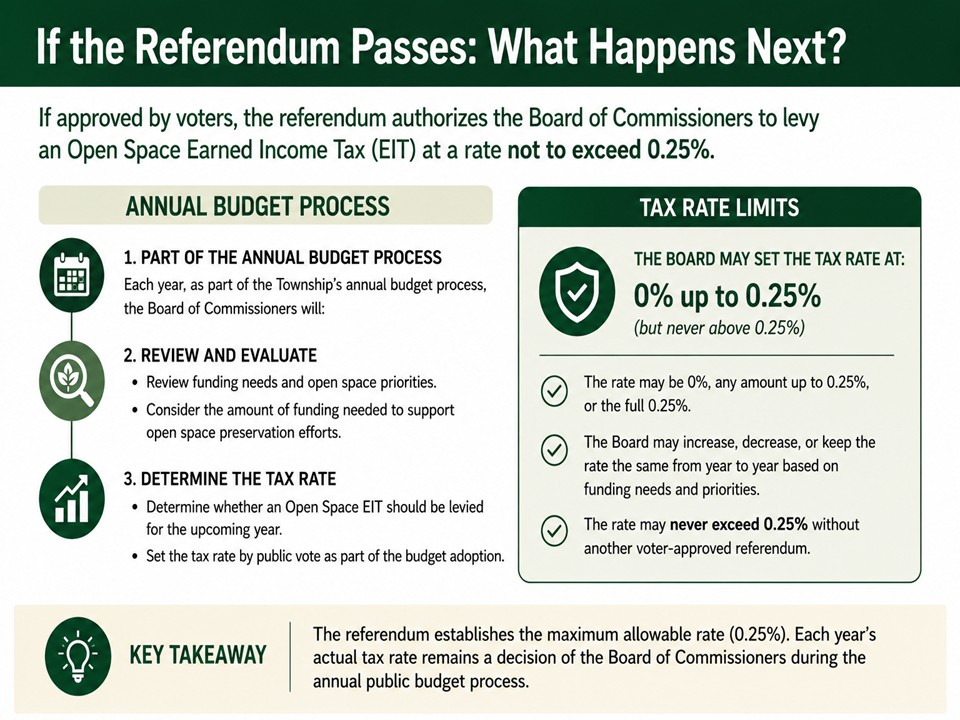
If the referendum is approved by the voters, how does the tax rate get set?
The Board of Commissioners retains the authority to adjust the Open Space Earned Income Tax rate each year, up to a maximum of 0.25%, through the annual budget process. Any change would be made at a public meeting after reviewing funding needs, project priorities, and the Township's overall financial condition.
Open Space Referendum PowerPoint slide deck below. Presented to the Board of Commissioners on June 24, 2026. Click/Tap to open.